California Taking Its Time Deciding Per Mile EV Taxes
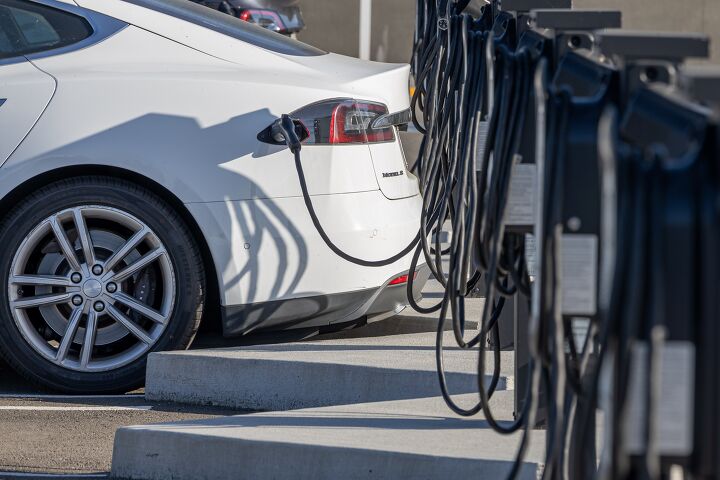
California is presently considering a new tax on all-electric vehicles that would charge motorists a few cents per every mile driven. The idea is being pitched as a way to make up for lost revenues as more residents now drive EVs than ever before. But the initiative is getting some pushback from the locals as government action runs behind schedule.
On Monday, KMPH Fox 26 confirmed that the California Department of Transportation (or Caltrans) had nearly completed its pilot program to test the mileage charge and that residents and activists groups have concerns.
As tested, the fee would only amount to roughly 2 to 4 cents per mile. That equates to the average driver paying between $200 and $600 annually. Some would undoubtedly pay more, whereas others would pay less. However, the true average could be less due to the fact that EV drivers tend to drive fewer miles annually than individuals with gasoline-powered cars.
"Someone's got to pay for the roads. It should be the people who use the roads," David Kline, a spokesperson for the California Taxpayer Association, told the outlet.
“But how is it going to sort out when people who have long commutes, maybe live in areas of the state where the cities are very far apart, you know, they're going to start carrying a lot more of the burden, perhaps.”
Of all the states, California has the most all-electric vehicles by far. However, 80 percent of the region’s roadway maintenance is funded by taxes affixed to the sale of gasoline. While this is normal for most of the United States, California is worried that it’s going to be missing out on funding if its plan to become carbon neutral comes to fruition in 2045.
The state likewise still hopes to ban the sale of gasoline-powered automobiles by 2035. But the status of that scheme has become a bit more complicated. The White House has pivoted the United States away from subsidizing all-electric vehicles while doing what it can to revoke fuel waivers that previously allowed California enforce higher emission standards than federally required.
The state actually has a long history of being given special treatment. California fuel waivers originate with the 1967 Federal Air Quality Act, which gave it special dispensations to raise emission standards beyond national requirements to combat Los Angeles smog. This resulted in the creation of the California Air Resources Board (CARB), which has likewise encouraged over a dozen other states to follow its guidance on emissions.
Board members are appointed, not voted on by the general public, and typically see long terms in office. But they are highly influential in regard to policy on both a state and national level. While Governor Gavin Newsom was the one to enact the concept of banning gasoline vehicles via executive order in 2020, it was CARB that pioneered the concept and finalized implementation. However, it does not appear to be involved in the mileage taxation plan in any meaningful way beyond setting the stage for EVs to replace combustion vehicles in California.
The governing board has seen some mild pushback over the years. In 2008, the Environmental Protection Agency (under the Bush administration) actually denied California’s waiver request for even stricter emissions. However, this was swiftly undone by the Obama administration while likewise overhauling federal standards — which included the footprint plan loophole that helped normalize massive SUVs and pickups.
Donald Trump has made it his mission to reduce California’s influence on U.S. emission standards since 2016 and even attempted to rollback fueling rules during his first term in the White House. This included a play to revoke the state’s existing waivers on the grounds that it was encouraging manufacturers to build vehicles the rest of the country would not buy.
The attempt failed after being mired in a deluge of lawsuits and any additional progress was undone by executive orders made by Joe Biden. However, the Trump administration’s second attempt — which launched earlier this year — appears to have been far more effective. The House has likewise voted to prevent California from implementing laws that would prohibit the sale of gasoline powered vehicles while the Senate supported ending its waivers.
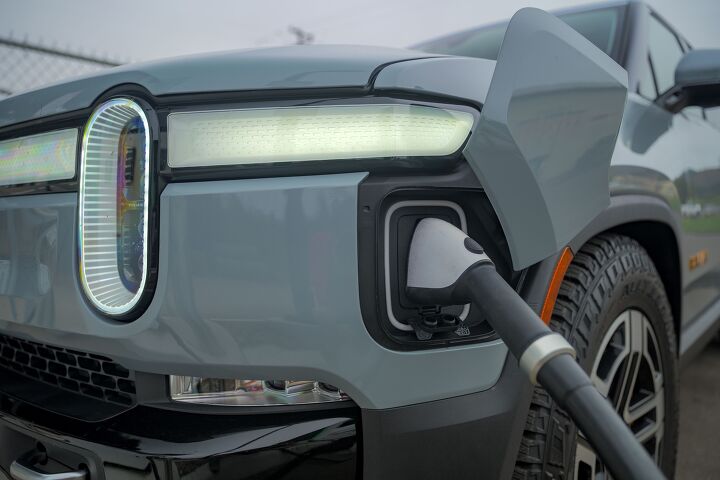
With the above in mind, it seems like the proposed tax scheme could backfire. California leadership has made it crystal clear that it still intends on banning the sale of all gasoline-powered automobiles by 2035. In lieu of that, it still wants as many people buying all-electric models as possible. However, creating an environment where EV drivers are taxed 4 cents per mile probably isn’t going to encourage an uptick in sales.
That’s not to suggest a road tax isn’t necessary to help maintain roadways. EVs are almost always heavier than their internal combustion counterparts and therefore presumed to do more physical damage to roads per mile.
At present, about 61 cents of every gallon of California gasoline comes from taxes designed to help maintain roads. The assumption is that funding will dry up as more citizens buy EVs. While the mileage tax seems fair enough, there are some very valid concerns about how the state will monitor how much people are driving.
Privacy has become a major issue for some automotive enthusiasts, everyone who supports Right-to-Repair, and well-informed consumers. But it lacks the urgency of telling the average person that they might have to pay more for something, even if the end result is fundamentally the same.
One of the bigger perks of owning an EV is not having to purchase gasoline, which includes avoiding the relevant government fees. People rarely appreciate new taxes, even if it’s one of those rare instances where the money is supposed to go directly to maintaining the roads they’re actively using.
From KMPH Fox 26:
For example, if you live in Hanford and commute to and from Fresno 5 days a week with a Toyota Camry, you would have to pay just over $11 if the road tax is 3 cents.
"But now we're switching the burden to different people. So that becomes one of the big issues. Who's going to pay, and can they afford it?" said Kline.
Caltrans is expected to release the results of this pilot program by this month.
Since we are one week into December, FOX26 reached out to Caltrans several times this week for comment.
Each time, the agency thanked FOX26 for my patience as they worked on a response.
While Mr. Klein seems to be missing the bigger picture regarding the way in which gasoline is already taxed based upon how much one drives, it seems reasonable that California would be similarly concerned with how implementation of the tax might turn people away from all-electric vehicles. That may explain why Caltrans has yet to release its full report. But it may likewise just be bureaucratic inefficiency slowing things down.
The state could also be having trouble determining the best way to enact the tax. It’s estimated that at least 4 percent of California drivers don’t bother registering their vehicles at all, with another 16-20 percent not bothering with insurance. Even among those that do comply with registration, over a quarter of the whole are said to update their paperwork months after it has expired. Similarly worth noting is the fact that California has a higher rate of residents registering vehicles outside of the state than the national average.
This calls into question the level of compliance the EV tax would ultimately receive. The fuel tax is practically mandatory, as it’s directly affixed to every drop of gasoline that’s sold within the state. If you want to drive your combustion vehicle, and haven’t converted it to biodiesel or built your own refinery, there’s no getting around it.
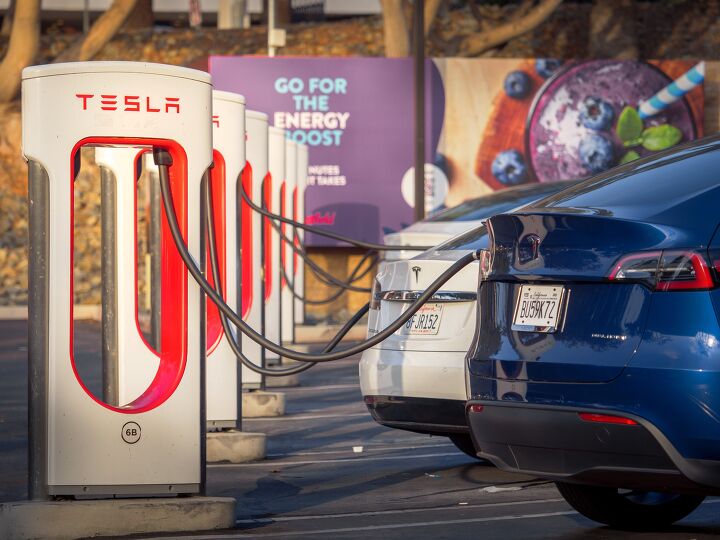
Coming up with a way to do the same with electricity will be more difficult, especially since the brunt of EV charging happens at home. The same goes for convincing a subset of drivers, who have managed to avoid paying driving fees for years, that this is something they’ll want to support.
[Images: Chiociolla/Shutterstock; Elkins Eye Visuals/Shutterstock; logoboom/Shutterstock]
Become a TTAC insider. Get the latest news, features, TTAC takes, and everything else that gets to the truth about cars first by subscribing to our newsletter.
from TheTruthAboutCars https://ift.tt/i9gTQyL
via IFTTT
No comments