Electric Dreams, Tariff Nightmares: Inside the Austin Arrow
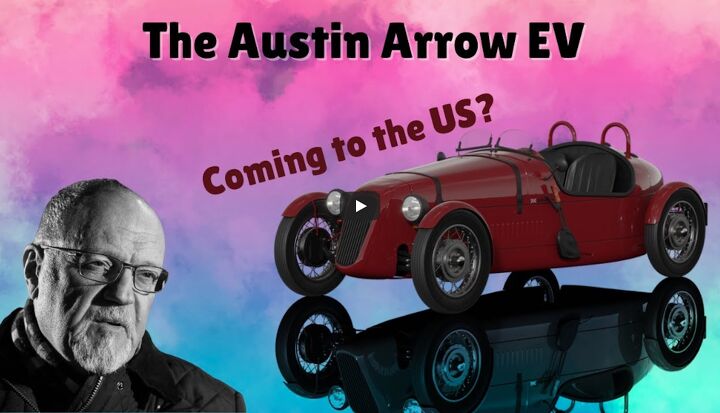
In this episode of the UrbanEV Podcast, hosts Rob Hoffman and Scott Murphy engage in a lively conversation with Nigel Gordon Stewart, the chairman and CEO of Austin Motor Co.
They explore Nigel's extensive background in the automotive industry from McLaren to Lamborghini to Lotus and eventually Austin, where he is leading the legendary brand into the electric vehicle era with the Austin Arrow.
The discussion also touches on a Lamborghini test drive with Donald Trump, the challenges faced with entering the US market, disconnect between vehicle size and urban needs and the future of EVs. Additionally, they delve into Project Arrow, Canada's electric vehicle initiative, and Nigel's vision for the future of Austin Motor Co.
The Urban EV Podcast is about electric vehicle ownership in a city -- and how that can be daunting when you don't have access to a plug. We explore urban charging infrastructure along with the day-to-day experience and economics of public charging your vehicle in a big city.
The TTAC Creators Series tells stories and amplifies creators from all corners of the car world, including culture, dealerships, collections, modified builds and more. Below is an AI-generated summary of the transcript — edited by a staffer — of the podcast.
[Image: The Image Party/Shutterstock.com]
Become a TTAC insider. Get the latest news, features, TTAC takes, and everything else that gets to the truth about cars first by subscribing to our newsletter.
Summary: Urban EV Podcast with Nigel Gordon-Stewart (Austin Motor Company)
Overview
The episode features Nigel Gordon-Stewart, Chairman and CEO of the Austin Motor Company, discussing his automotive career, the revival of Austin as an EV brand, the development of the Austin Arrow, the future of electric mobility, and Canada's Project Arrow initiative.
Nigel's Automotive Journey
Nigel began his career in an unlikely way:
- Served as a British Army officer after school.
- Decided to leave the military and, on a friend's suggestion, walked into a Rolls-Royce/Bentley dealership in London and asked for a job.
- Was hired almost immediately.
- Progressed through roles at BMW dealerships before moving into luxury and performance brands including:
- Lamborghini
- McLaren
- Porsche
- Ferrari
He eventually became involved with McLaren F1 sales and later served as Lamborghini's sales and marketing director.
Early EV Work and Urban Mobility
Before joining Austin, Nigel worked on lightweight electric cargo vehicles through Electric Assisted Vehicles (EAV).
The goal was to:
- Reduce congestion and pollution in cities.
- Replace larger commercial vehicles with small electric alternatives.
- Improve urban livability.
The company developed pedal-assisted electric utility vehicles capable of carrying about 500 kg and deployed them internationally, including in:
- New York City
- Australia
- South Africa
- Various European countries
Despite technical success, the startup struggled with fundraising and Nigel eventually left after investors changed management.
Reviving the Austin Motor Company
Nigel was introduced to the revived Austin Motor Co. after an entrepreneur acquired rights to the historic Austin brand.
Key points:
- The Austin trademark had effectively been abandoned within a larger portfolio owned by Chinese automotive interests.
- The rights were re-registered and secured.
- Austin's comeback centers around nostalgia, simplicity, and electric mobility.
Nigel argues that heritage brands still matter deeply in Western markets because consumers connect emotionally with automotive history.
The Austin Arrow
What It Is
The Austin Arrow is Austin's first new vehicle in over 30 years.
It is:
- An electric quadricycle
- Styled after the classic Austin 7
- Lightweight, compact, and city-focused
- Designed to be fun rather than purely practical
Why Use a Quadricycle Platform?
Advantages include:
- Lower regulatory burden than a conventional automobile
- Reduced development costs
- Faster path to market
- Ability to maintain classic proportions and styling
Specifications Mentioned
- 20 kWh lithium-ion battery
- 96V architecture
- 15 kW electric motor
- Approximately 60 mph (100 km/h) top speed
- Zero-to-60 mph in roughly 7.8 seconds
- Vehicle weight around 600 kg including battery
Nigel compares its appeal to classic lightweight sports cars like the Mazda Miata: not extremely fast, but highly engaging.
Nigel's View of Urban Transportation
A major theme of the discussion is that most people drive vehicles much larger than they actually need.
He argues:
- Cities are full of oversized SUVs and luxury vehicles being used for short trips.
- Most urban drivers would be better served by compact electric vehicles.
- EVs provide the greatest environmental benefit in cities where tailpipe emissions directly affect people.
He cites examples such as electric ice cream vans replacing diesel-powered ones that idle while serving customers.
His View on EV Adoption
Nigel strongly supports electrification but believes the industry has made a mistake:
What EVs Got Right
- Efficiency
- Performance
- Simplicity
- Reduced emissions
What EVs Got Wrong
- Becoming "appliances"
- Losing personality and emotional appeal
He specifically argues that many modern EVs prioritize:
- Screens
- Software features
- Automation
instead of driving enjoyment and character.
Thoughts on Tesla and Chinese EVs
Tesla
Nigel praises the original Tesla Roadster for being exciting and revolutionary.
However, he argues that later Tesla models became:
- Functional
- Efficient
- Less emotionally engaging
Chinese Manufacturers
He acknowledges companies like:
- BYD
have dramatically accelerated EV technology.
Strengths:
- Advanced battery development
- Rapid innovation
- Aggressive pricing
- Strong feature sets
Weaknesses (in his view):
- Lack of brand personality
- Less emotional connection than traditional automotive marques
He notes that Chinese consumers often prioritize:
- Features
- Technology
- Value
over brand heritage.
Battery Technology Outlook
Nigel is optimistic about next-generation batteries.
He predicts future EVs will eventually offer:
- Extremely rapid charging
- Significantly longer range
- Near-gasoline refueling convenience
He specifically discusses:
- Solid-state batteries
- Graphene-related technologies
- Ultra-fast charging systems
and believes charging anxiety will largely disappear.
Project Arrow (Canada)
Nigel also serves on the board of Project Arrow.
Project Arrow aims to:
- Showcase Canada's automotive capabilities.
- Build an EV using Canadian-made components.
- Demonstrate that Canada could support its own automotive brand.
The project has progressed through prototype stages:
- Arrow 1.0 (concept/show vehicle)
- Arrow 2.0 (development phase)
- Future pre-production versions
Nigel believes a Canadian national EV brand could succeed if it reflects Canadian values and identity.
Manufacturing Strategy
Austin initially planned to manufacture components in India to reduce costs.
However, rising logistics expenses have caused the company to reconsider local assembly options in the UK.
Nigel emphasizes:
- Simplicity
- Low production volume
- Affordable pricing
- Driver enjoyment
rather than mass-market scale.
Future Austin Vehicles
Several future projects were mentioned:
Austin Arrow 75
A more practical version of the Arrow featuring:
- Roof
- Heater
- Air conditioning
- Proper windshield and wipers
Austin Vitess
A lightweight single-seat electric sports car featuring:
- Manual gearbox
- Clutch
- Extremely low weight
- Potential racing series use
- Estimated sub-2-second zero-to-60 mph capability
Nigel's goal is to make EVs feel mechanical, engaging, and immersive rather than purely digital.
Additional Sports Car
He also hinted at a future Austin sports car inspired by the classic Austin-Healey lineage.
Tariffs and Trade
Nigel repeatedly criticized tariffs and protectionist policies.
He argues:
- Automotive supply chains are global.
- Tariffs increase costs without creating efficiency.
- The U.S., Canada, and other countries have benefited from integrated manufacturing systems.
He particularly discussed challenges posed by current U.S. import tariffs for niche manufacturers like Austin.
Donald Trump Anecdote
Nigel shared a story from his time as Lamborghini USA vice president.
While working for Lamborghini:
- He arranged a test drive for Donald Trump at Mar-a-Lago.
- Trump wanted to drive a Lamborghini Diablo.
- After discovering it had a manual transmission, Trump asked Nigel to drive instead.
- Nigel spent about 30–40 minutes driving Trump around.
- He described Trump as personable, funny, and charming during the interaction.
- Trump later purchased two Lamborghinis.
Key Takeaways
- Urban EVs make the most environmental sense because they directly reduce city pollution and congestion.
- Most people drive larger vehicles than they need.
- EVs should be fun, not just efficient.
- Heritage and brand identity still matter in automotive design.
- Chinese automakers are winning on technology and cost, but traditional brands can compete through character and emotional appeal.
- Battery technology is advancing rapidly, likely eliminating many current EV limitations.
- Austin's strategy is to build lightweight, nostalgic, enjoyable EVs rather than compete directly with mainstream manufacturers.
Overall, the conversation combines automotive history, EV advocacy, industry analysis, and Austin's vision of creating small, character-filled electric vehicles that prioritize driving enjoyment over technology for technology's sake.
from TheTruthAboutCars https://ift.tt/NveLhT0
via IFTTT
No comments