Abandoned History: OBD-II and the Standardization of Our Troubles (Part I)
The modern automobile contains many complex systems, and is designed to identify its own issues as they arise via on-board diagnostics (OBD). Since 1996, nearly every potential fault within those systems is coded by OBD-II into one of four areas: Powertrain (P), Body (B), Chassis (C), or Network (U). But it wasn’t always this simple, as each manufacturer created their own Wild West of individual error identification methodologies, codes, and proprietary diagnostic devices. And the entire system is about to change again, as OBD-II is replaced by a more complex framework. Let’s dive in like we just pulled a P0420.
The idea of on-board diagnostics was forced upon automotive manufacturers by federal emissions standards that began with the amended Clean Air Act (CAA) in 1970. California led the way to these federal regulations with its California Air Resources Board (CARB), which the state established in 1967. CARB regulations caused the “49-state” cars from the late '60s through the '90s, where California-bound vehicles had stricter emissions and lower horsepower figures.
Along the way the basic regulation was supplemented by the EPA and NHTSA to become more encompassing. Regulations moved beyond basic tailpipe emissions monitoring into more complex requirements, and added fuel economy standards. OBD systems were implemented to monitor the outputs of a vehicle, and relay when there was a failure. At their base, the systems would throw a trouble code if tailpipe emissions exceeded 150% of the standard assigned to a particular vehicle.
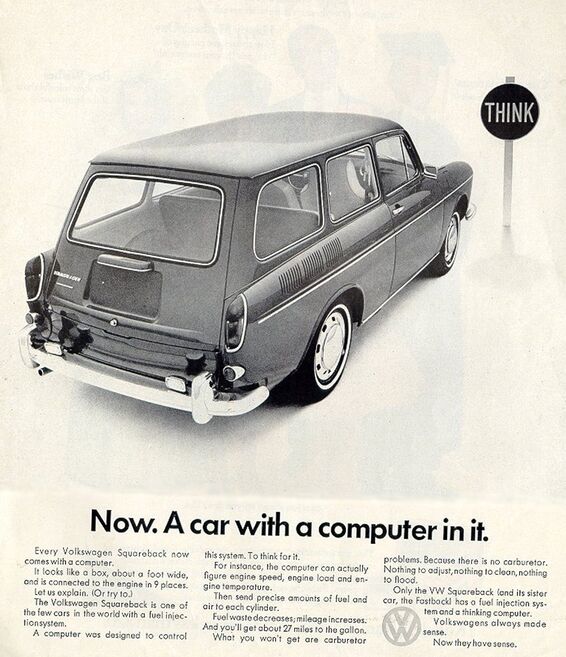
The earliest example of an OBD system, then loosely called a “computer system” was from Volkswagen in 1968. Their Type 3 compact car received an electronically fuel injected engine that year, the first production car to have the modern technology. With it came an analog diagnostic computer that could be plugged into a special VW-Porsche machine at the dealer. It indicated whether a particular test was green, yellow, or red for its parameter.
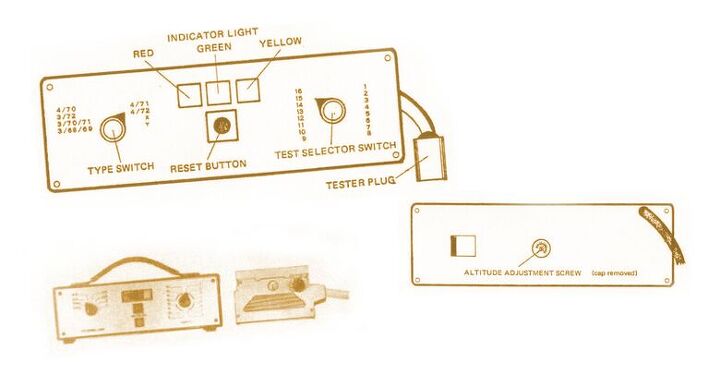
Connected to the Type 3’s engine in nine places, the computer could perform 16 different tests. What the Type 3 heralded was essentially the first modern passenger car. Flexing their technological advancement in ads, their foot-long computer was the start of something entirely new for the automobile.
A few years later in the mid-'70s, the U.S. was mired in emissions-strangled vehicles. Huge V8s produced pathetic horsepower figures, their carburetors strangled by emissions control measures. Manufacturers were forced to comply with regulation, but were unwilling to spend the cash to redesign existing engines from the ground up with compliance in mind. Catalytic converters were mandated in the U.S. in 1975 to further reduce emissions.
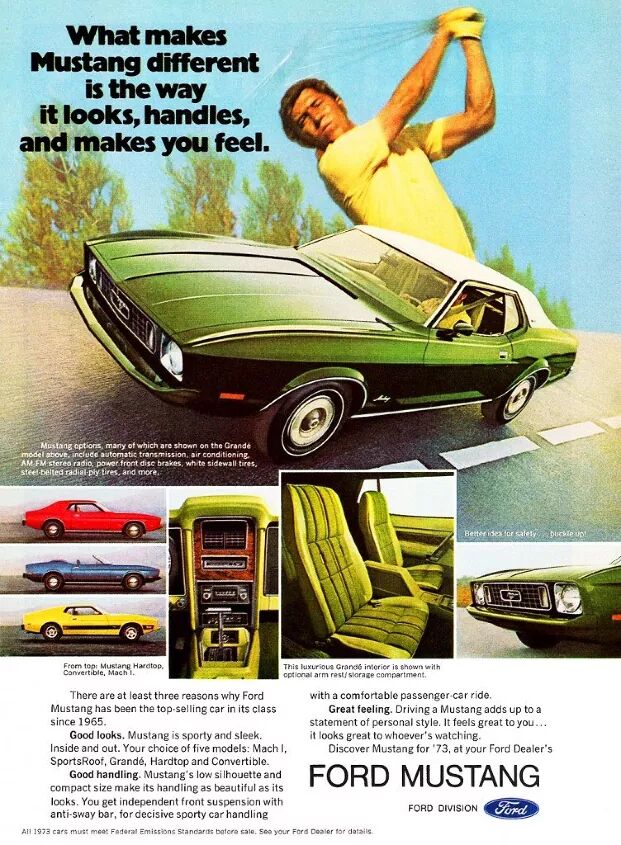
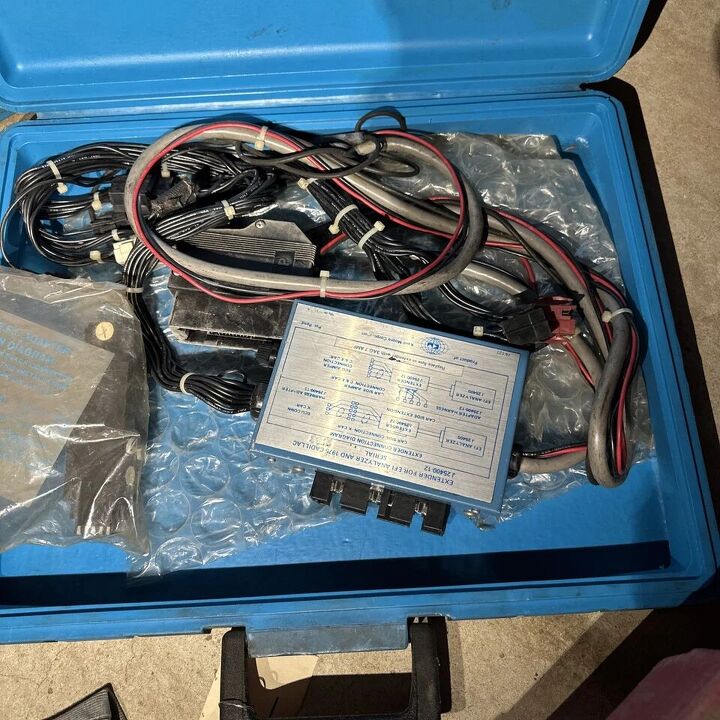
Electronic fuel injection began to enter the mainstream at that time, with providers like Bosch and Bendix shipping their systems with analog OBD capability. The systems could only be read via factory tools that were coded for a particular year and manufacturer, meaning they needed replacement each model year. Repair shops would need a separate tool for each model year and brand they serviced.
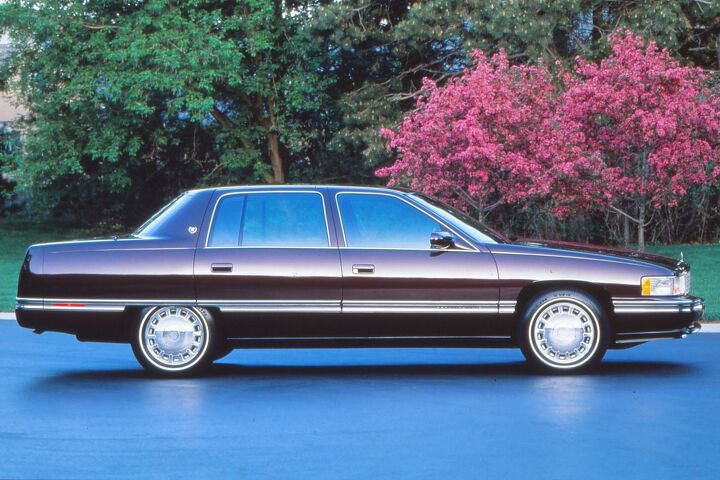
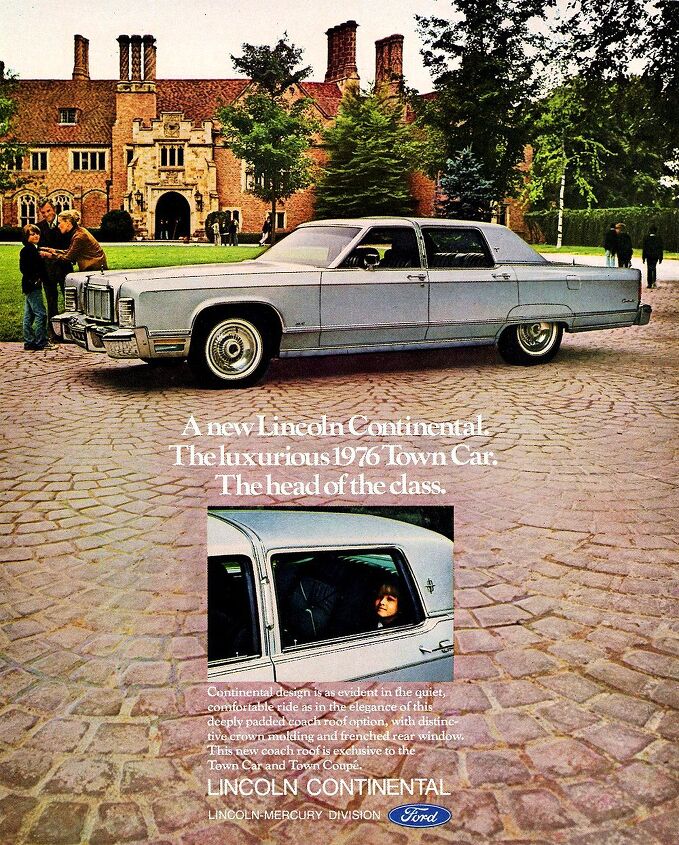
Information to the driver beyond an illuminated light was off-limits. That persisted for several years, until manufacturers began to develop data linking between a vehicle’s engine management and the on-board systems in the dash. Cadillac was the first brand to present trouble codes to the driver, in the new 1980 Cadillac Eldorado and Seville.
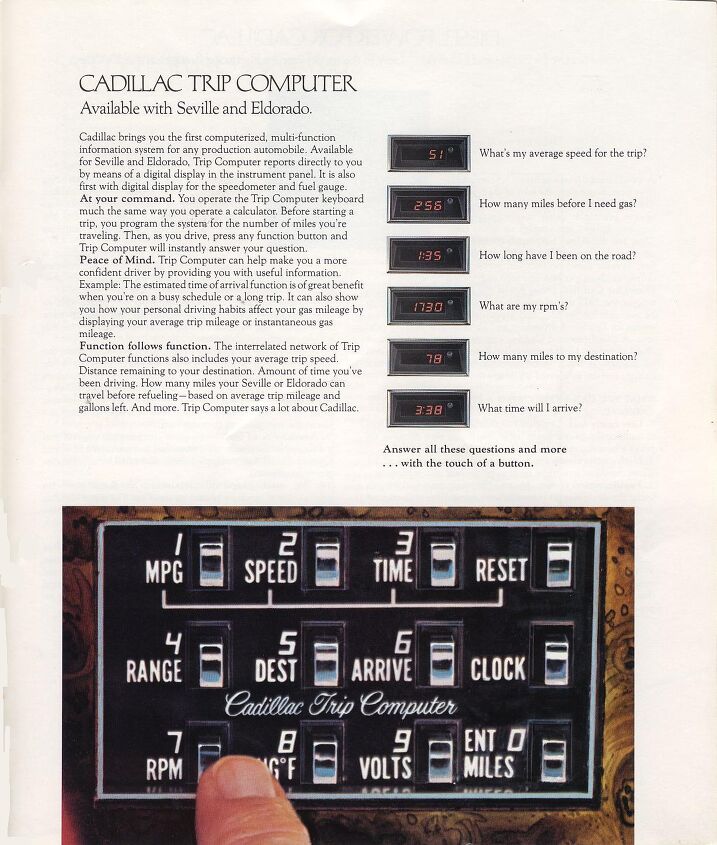
When put into a diagnostic mode, Diagnostic Trouble Codes (DTCs) were displayed to a driver via the digital readout on the electronic climate control. The data link in the Eldorado and Seville also allowed the 22-function trip computer to show details like average miles per hour and fuel economy. The Cadillac data was a precursor for an update to all 1981 GM vehicles, where “Computer Command Control” was implemented.
With a proprietary 5-pin connector, the system provided a stream of data between a car’s ECU and the proprietary GM reader. Trouble codes were provided in real time, as was real-time sensor data. All engine management functions were monitored within the data stream. Like the '67 Volkswagen was the first modern vehicle with on-board diagnostics, the GM offerings of 1981 were the first with a live electronic interface between the vehicle and a diagnostic computer.
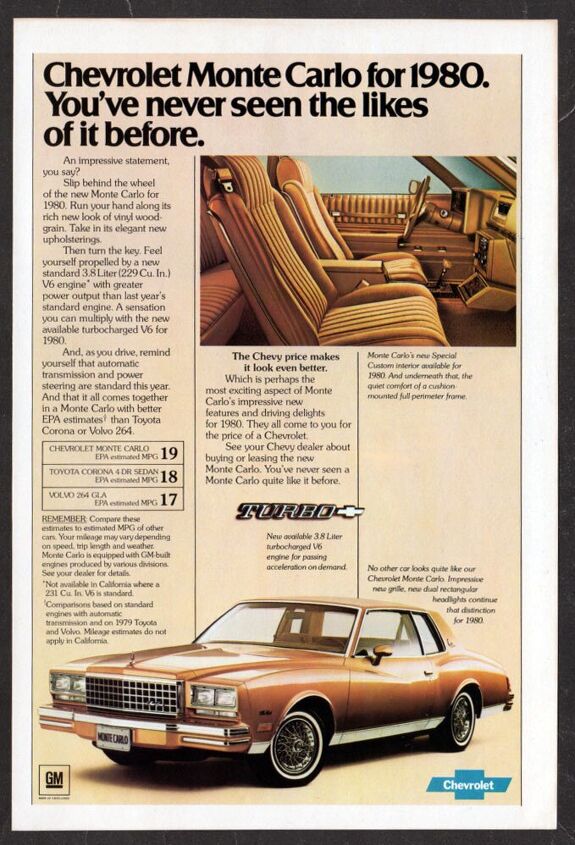
While it was progress on a basic level, an electronic OBD introduced a world of complexity as no standardization was required. The data link ports attached to the vehicle that connected it to the diagnostic computer were all proprietary, and no two manufacturers used the same port. It was an expensive proposition for a shop to buy the necessary diagnostic readers for each manufacturer, and they may have needed a new one each model year.
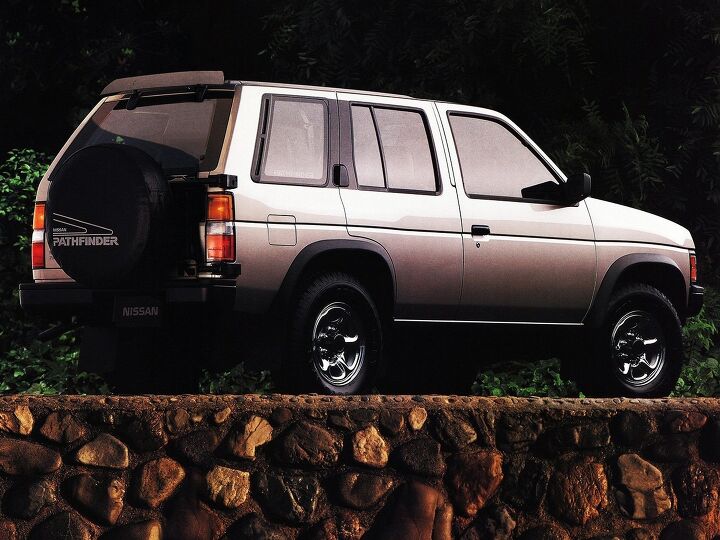
Some manufacturers, like Chrysler, made accessing the codes via the dash easier. Chrysler’s '80s vehicles were designed to display codes by turning the ignition on and off three times in sequence. Many other brands required a wire jumper (paperclip) to bridge specific terminals in the custom pin connector. Bridging them together caused the DTCs to display via a respective flashing light.
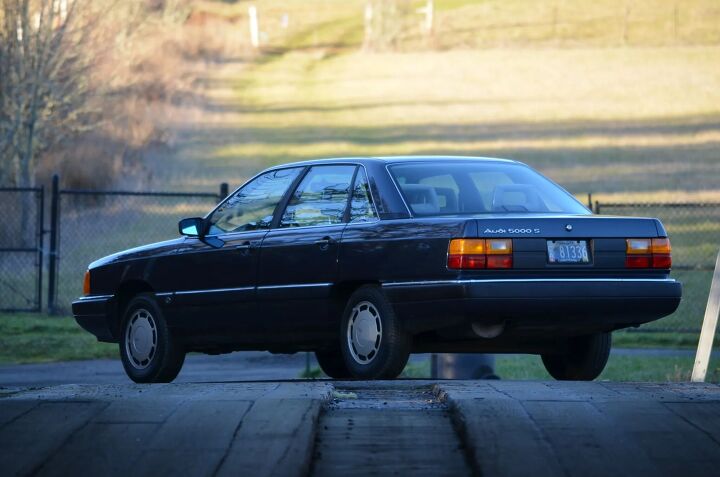
Often, the paperclip had to be removed and inserted again to get to the next error code. Or, the wire jump had to be left in for a specific amount of time and then removed. Vivid memories of an old 1987 Audi 5000S surface (your author’s first car).
But accessing a particular vehicle's DTC display mode was only the first part of the problem in the OBD-I era. The second part was receiving the codes themselves, and then indexing them to the manufacturer’s official list. And would you believe they all used their own methods for code delivery and format? More on that next time.
Become a TTAC insider. Get the latest news, features, TTAC takes, and everything else that gets to the truth about cars first by subscribing to our newsletter.
from TheTruthAboutCars https://ift.tt/YO1eAfB
via IFTTT
No comments