Opinion: German Automakers Are Clearly Struggling
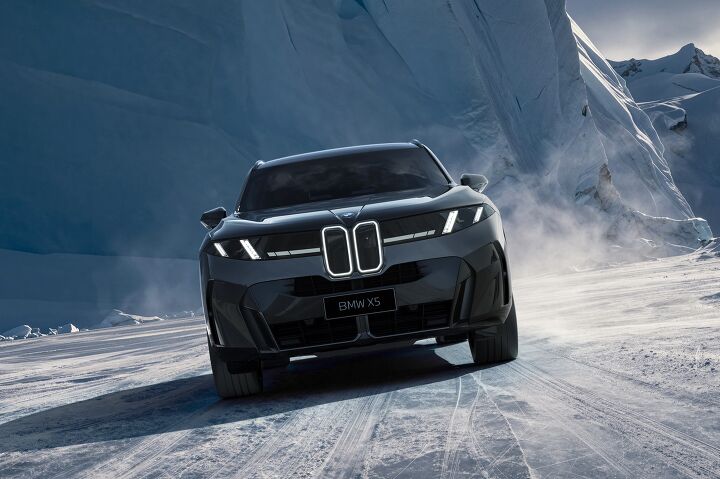
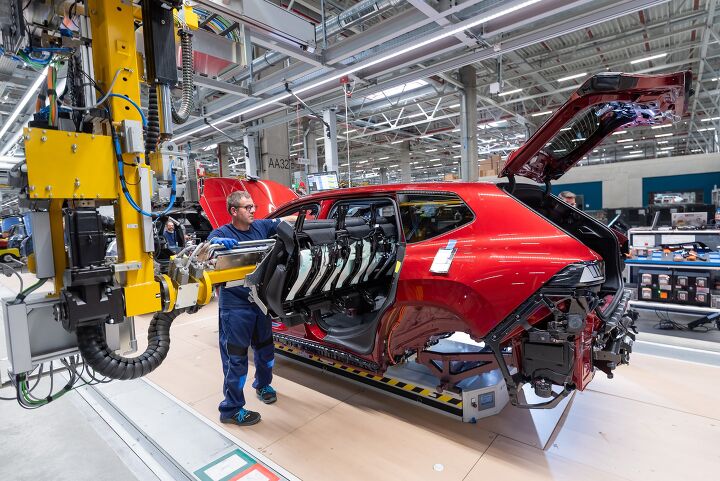
German automakers seem to be in particularly rough shape these days. While BMW is asking 8,000 employees to pack their bags, Volkswagen is coming off an announcement that it would be laying off an estimated 35,000 people over the next few years in the home country. Globally, VW is supposedly considering cutting about 100,000 jobs.
The BMW layoffs were shared by The Guardian, which likewise noted that Porsche (presently a subsidiary of Volkswagen Group) announced 5,000 staffing cuts as part of its now-evolving restructuring plan.
Mercedes-Benz is also seeing a sizable number of layoffs in China as sales have declined within the region. However, the brand has also been plotting a national restructuring plan that would offer thousands of employees voluntary buyouts. Mercedes has actually been working the scheme for a while, floating concepts like making fewer employees work longer hours as the company likewise seeks to further automate production.
“The cost per hour must decrease — in development, sales, administration, and production ... we should work more for the same pay in all areas," Mercedes-Benz CEO Ola Källenius said in June.
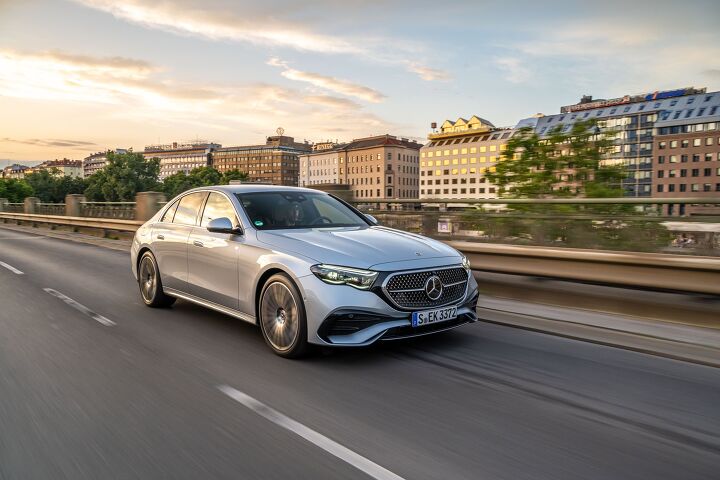
Interestingly, when Källenius says "we" in the above statement, he actually seems to mean it. The CEO actually took a 30-percent pay cut for the 2025 fiscal year as the company likewise withheld bonuses and lowered compensation for the general workforce. However, that still leaves Källenius making millions of dollars annually while the same cannot be said for assembly line workers.
Still, it’s a rare gesture during a period when generalized corporate greed has reached comedic proportions. The lengths at which businesses will go to to exploit both customers and employees is almost beyond parody these days and automakers are often among the worst offenders. Meanwhile, leadership rarely seems to be held accountable. CEOs will be publicly blamed for failures orchestrated by board members and are then shuffled out of the company as they’re issued millions as part of their severance package.
That doesn’t mean CEOs cannot make bad decisions on their own, because they certainly do. Some are also excellent at their jobs and can actually do a lot of good when they are likewise invested into the company or have to deal with a board of directors that might not actually know that much about automobiles. But we still have to address the ever-widening pay gap between top-level executives and everyone else, which has grown exponentially since the early 1980s.
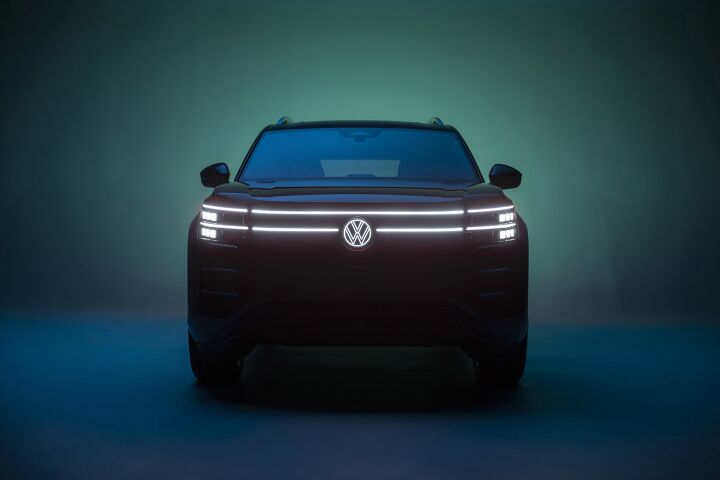
German brands currently feel like the canary in the coal mine. Even though it seems like they’re presently struggling the worst, most of the issues they’re confronting are things the whole industry has to deal with.
For example, Volkswagen Group was one of the first legacy automakers that pursued widespread electrification due to it being chided for gaming diesel emissions testing. Despite some automakers having had great luck selling all-electric vehicles, the development costs were astronomical and most legacy brands found that the take rate of EVs ended up being far lower than anticipated. Despite heavy amounts of government subsidization, electrification became a money pit for many businesses.
German brands likewise found themselves entering into the Chinese market by being among the first automakers to enter into joint ventures with local companies. The entire automotive industry was convinced that the region represented unending growth and everyone was eager to get in on the ground floor. But, thanks largely to the provisions of those joint ventures, China now has access to foreign tech and no longer needs the businesses that yielded them.
China’s domestic brands are now starting to usurp the market share of foreign automakers, with the German nameplates being among the hardest hit. Porsche and Mercedes have both publicly stressed how the situation in China has negatively impacted the business in recent years. But the same is clearly true for BMW and the rest of Volkswagen Group.
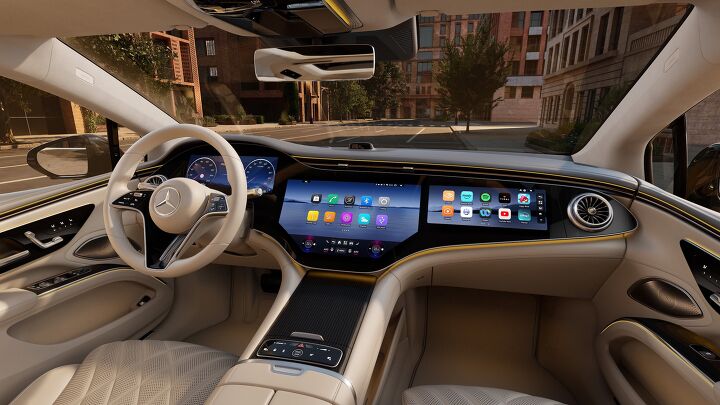
Even the push into proprietary software and connectivity seems to have backfired slightly. Automakers originally wanted to put the internet into their vehicles to create opportunities for partnered marketing, vehicle subscriptions, and data harvesting. The assumption was that proprietary software would accelerate these new revenue streams. However, the novelty of touch controls is gone and people are starting to despise much of the technology installed into modern automobiles.
Development of the relevant software is also rather expensive. Volkswagen spent billions on its in-house software subsidiary, only to find itself looking elsewhere for a solution after numerous delays. Coding issues have also become a serious problem for the industry as it pivots to “software-defined vehicles.” While automakers often stress the importance of cybersecurity, they’ve designed their vehicles to be more vulnerable to outside attacks and data breaches than ever before.
While we cannot attribute all industrial strife to automakers chasing trends that have backfired horribly, it has played a significant role in how things have played out. But there are other elements to consider.
Tariffs have certainly been a massive thorn in the side of all companies exporting product and have further raised the price on vehicles that manufacturers had already allowed to swell beyond what seemed reasonable. Regional wars have further driven up the cost of materials by allowing suppliers to name their price as everyone panics.
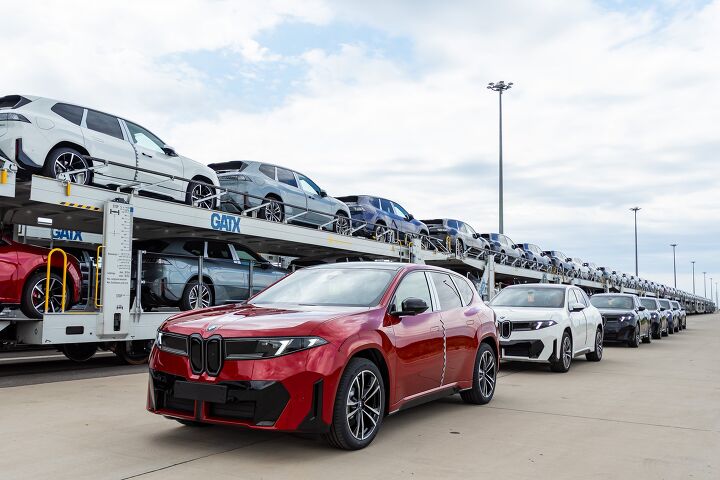
You don’t have to take our word for it. BMW touched upon some of the above after being questioned about the planned layoffs.
“The BMW Group is proactively shaping the profound changes taking place in its operating environment. These include the technological transformation of the automotive industry, geopolitical uncertainties, changing market conditions and developments in China,” a BMW spokesperson explained.
We could even argue that government emission rules have nullified some of the appeal of a person buying luxury models. With automakers having to comply with stringent regulations, everyone has been moving away from larger engines. But luxury buyers aren’t broadly interested in owning what’s effectively an $70,000+ economy car — especially when the average household is earning less than before.
This has placed additional pressures on repackaging modern tech as the new “luxury.” But this is muddled by the fact that these same brands are trying to make formerly standard features contingent on subscriptions. Sure, select companies may offer you a fancier screen. But most of the features found in modern luxury cars can now be replicated by mainstream rivals at a significantly lower price point. Without the more-expensive models offering meatier powertrains, enhanced reliability, or a meaningful advantage in terms of overall comfort, the value proposition of luxury vehicles is all wrong.
The whole of the industry would be wise to keep a close eye on the German brands in an effort to avoid some of the same problems. Perhaps more importantly, they should likewise watch to see what solutions those companies come up with that are successful. Because none of the hurdles the German brands now have to navigate necessarily have to be limited to those specific businesses. Just about everyone is confronting similar issues — albeit to varying degrees of severity.
[Images: BMW, Mercedes-Benz, Volkswagen Group]
Become a TTAC insider. Get the latest news, features, TTAC takes, and everything else that gets to the truth about cars first by subscribing to our newsletter.
from TheTruthAboutCars https://ift.tt/ux4J3fD
via IFTTT
No comments