Virginia's "Intelligent Speed Assistance" Program Is Now Officially Active
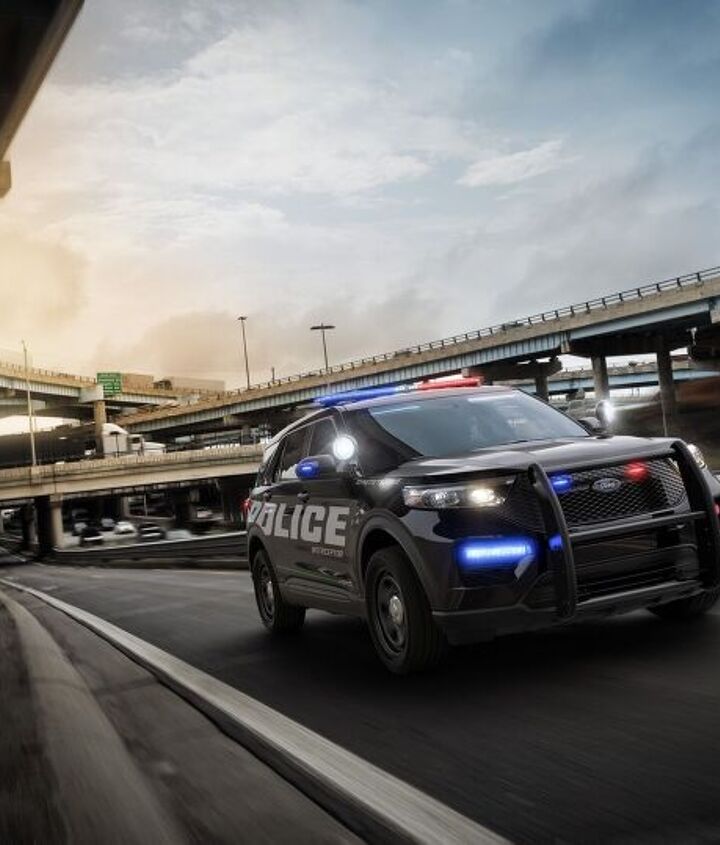
Virginia lawmakers have turned the state into a real-world testbed for mandatory, vehicle-integrated speed governors.
Effective July 1, 2026, Virginia became the first state in the nation to allow judges to sentence traffic offenders to a court-ordered Intelligent Speed Assistance program. Passing under the radar as House Bill 2096 during the 2025 legislative cycle, the law gives courts an alternative to traditional driver's license suspensions by allowing them to order the physical installation of a GPS-linked throttle limiter inside a defendant's personal vehicle. For the consumer, it represents a structural shift from passive state enforcement to active, real-time intervention.
The system is far more invasive than the simple audible speed alerts currently mandated on new European market vehicles. The hardware unit integrates with the vehicle's electronic throttle control architecture via the factory CAN bus or onboard diagnostics network, constantly cross-referencing live GPS coordinates with a localized speed limit database.
When the vehicle reaches the legal limit of whatever stretch of blacktop it occupies, the module overrides driver input, restricting the electronic throttle modulation to cap acceleration. The system does not actuate the brake calipers or cut the ignition entirely, meaning the vehicle can still coast down inclines at higher speeds, but it prevents the engine from generating the power required to accelerate any further.
The software includes a brief built-in allowance, permitting a few seconds of additional throttle to complete a passing maneuver before the electronic ceiling re-engages.

Virginia has historically been extremely strict with the traffic code. Judges hold the discretion to mandate the hardware for any standard reckless driving conviction, which in the Commonwealth includes traveling 20 mph over the limit or clearing 85 mph on any highway. Those baseline offenses carry an enrollment period of 60 days to six months across every single vehicle registered or owned by the offender, during which time they are legally barred from driving any unmonitored car.
If a driver is clocked traveling over 100 mph, judicial discretion vanishes, and the installation becomes a mandatory sentencing requirement. The state also aimed the program at repeat offenders, dictating a mandatory nine-month installation for anyone racking up 18 DMV demerit points in a year, and a five-year term for drivers with four street racing or exhibition driving convictions.
The program was pushed through to counter trends in regional traffic fatalities, where state police data showed 34,460 speeding-related interventions in 2025 alongside analysis from the AAA Club Alliance indicating that nearly 45 percent of Virginia's 918 road deaths in 2024 involved excessive velocity.
The operational reality of these systems will face immediate real-world friction. The state anticipated the inevitable consumer backlash and engineering workarounds, writing the statute so that any attempt to splice wires, pull fuses, shield the GPS antenna, or otherwise circumvent the hardware automatically lands the driver a Class 1 misdemeanor charge, carrying a potential 12-month jail sentence and a $2,500 fine.
[Images: ]
Become a TTAC insider. Get the latest news, features, TTAC takes, and everything else that gets to the truth about cars first by subscribing to our newsletter.
from TheTruthAboutCars https://ift.tt/5KBmvNc
via IFTTT
No comments