Octopus Wants To Kill Your Dozen Charging Apps

Every EV driver knows the drill: pull up to a charger, discover you don't have the right app installed, then spend five minutes creating an account while your battery pretends it doesn't care. Octopus Energy is taking a swing at that problem with a new app called Octopus Charge, which the company says aggregates more than 200,000 individual EV chargers across North America.

The app pulls together data from over 10,000 charging stations spanning the United States, Canada, and Mexico, according to Octopus Energy. The pitch is straightforward — one app instead of the dozen-plus operator apps currently cluttering the average EV owner's phone.
Octopus Charge shows live availability, charger speed, connector compatibility, pricing, and nearby amenities. Drivers can enter their car's make and model, and the app will pick the right charging settings for that vehicle. Set up a single payment method and it handles billing across every supported network, which is genuinely useful on a long trip where you'd otherwise be juggling logins at every stop.
The company has been running a version of this service in Europe and elsewhere for a few years, so this isn't a first attempt.
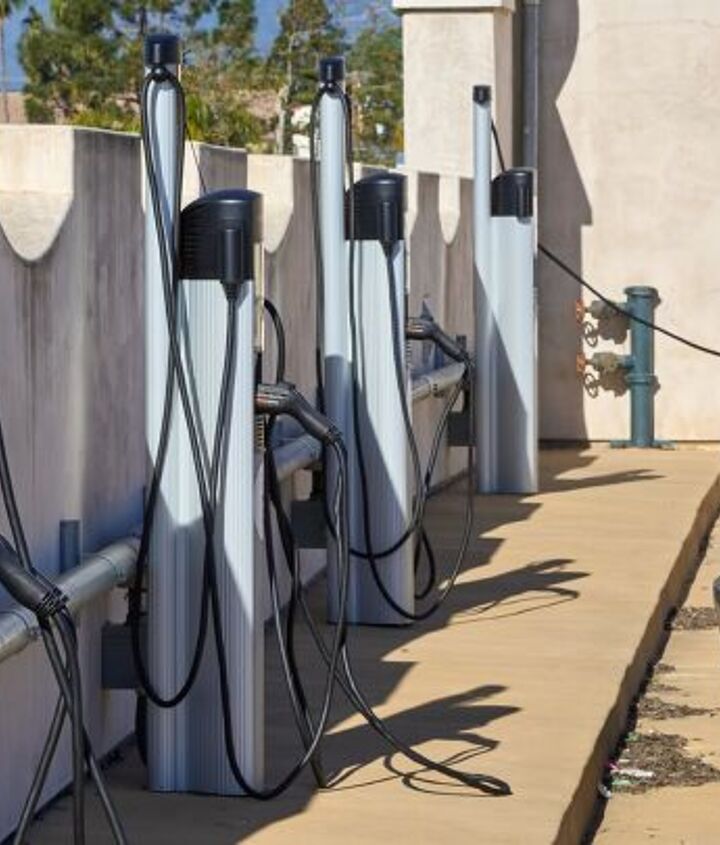
Here's the part worth paying attention to: Octopus says it passes through the original network's pricing with no markup on energy costs. If a stall charges $0.50 per kilowatt-hour, that's what shows up in Octopus Charge. No aggregator tax layered on top.
That's a meaningful distinction. Plenty of third-party charging apps treat the convenience of unified access as an excuse to skim. Octopus is at least claiming it won't.
The functionality mirrors what General Motors offers through its brand apps, with one obvious difference — GM's version only works with GM-built EVs. Octopus Charge works with any EV.

"We built Octopus Charge to remove unnecessary friction from the charging experience, helping drivers spend less time managing charging and more time enjoying the drive," said Sebastian Blake, head of Product at Octopus Energy US.
Now the caveat, and it's a big one. Several of the largest and most widely used networks aren't integrated, including Tesla Superchargers, Ionna, and Electrify America, per InsideEVs. If those are the chargers you actually rely on, you'll still be keeping their apps on your phone — or fishing out a credit card for stations with built-in payment terminals.
That's not a small gap. Tesla's Supercharger network alone accounts for an enormous share of reliable fast-charging in North America, and its absence means Octopus Charge can't yet claim to be the only app you'll ever need.

Even with those omissions, the coverage is broad. Octopus lists more than 20 partners, including EVgo, ChargePoint, Blink, Shell Recharge, Circle K, and Red E. That's a lot of diversity for drivers who mostly charge outside the Tesla ecosystem.
The Octopus Charge app is available now for iOS and Android. Whether it becomes the default charging tool depends heavily on whether the missing heavyweights eventually sign on. Until then, it consolidates a large chunk of the mess without covering all of it — which is progress, even if it isn't the clean sweep the 200,000-charger headline implies.
[Images: Octopus Energy, EVgo, General Motors]
Become a TTAC insider. Get the latest news, features, TTAC takes, and everything else that gets to the truth about cars first by subscribing to our newsletter.
from TheTruthAboutCars https://ift.tt/zxFqUbW
via IFTTT
No comments