New-Vehicle Affordability Declines, But Deals Exist
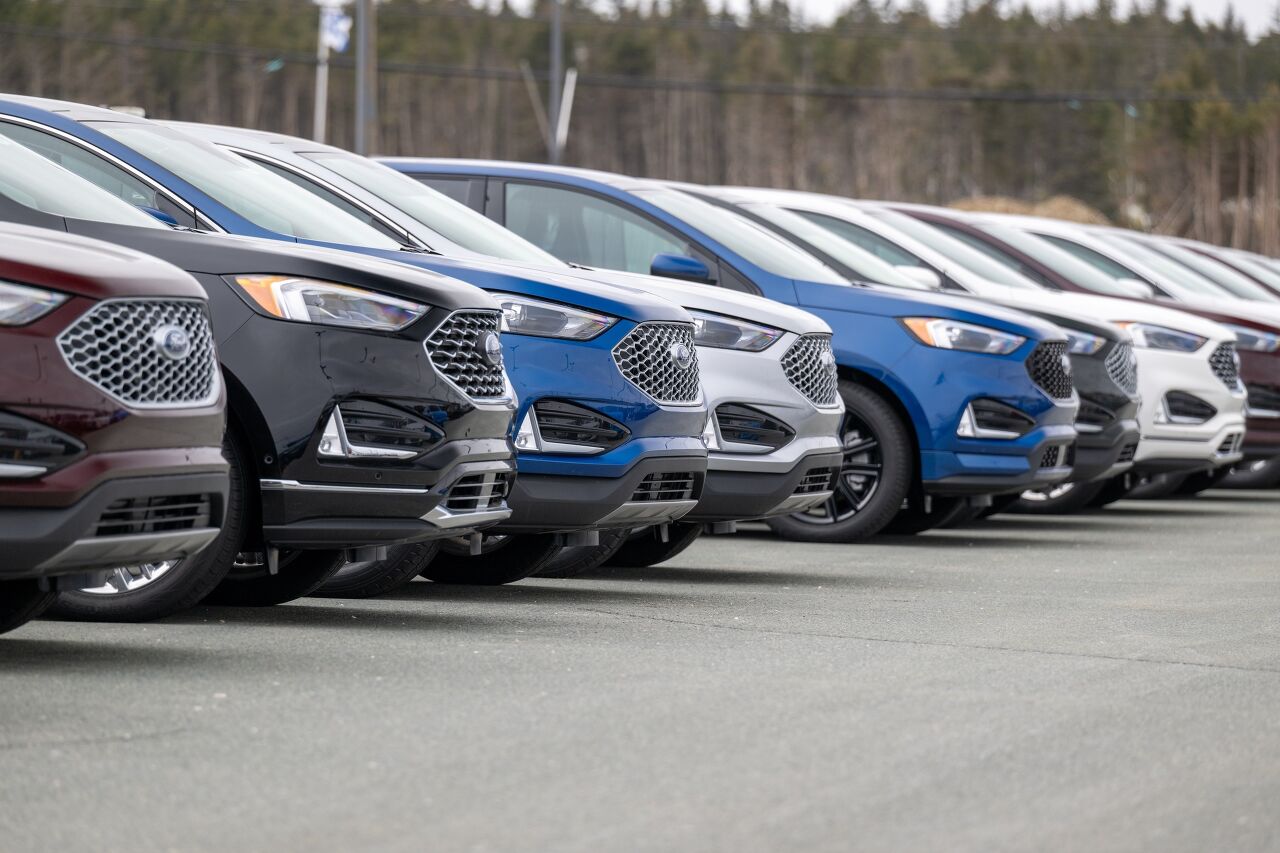
Despite market analysts asserting that vehicle affordability has continued to decline into the third quarter of 2026, there are signs that automakers are feeling the pressure to lower prices on select models.
The industry certainly doesn’t want to be forced into issuing annual reports indicating a lapse in profitability. Shareholders tend not to respond well when that happens and that seems to be the group automakers are most concerned with, while customers play second fiddle. This, along with numerous external factors (e.g. tariffs, shipping costs, interest rates, generalized inflation) have ensured new-vehicle prices remain high.
But there are clear signals that some buyers are moving downmarket into a growing number of models that companies are willing to discount. Sadly, Cox Automotive recently reported that new vehicle affordability has continued to decline overall as transaction prices outpaced incomes and purchasing incentives.
Based upon some cursory research conducted on our part, this seems to be almost wholly driven by manufacturers raising MSRPs and elevated interest rates. Early indications suggest that buyers are gradually starting to move away from luxury models. Premium car shoppers seem to be pivoting to mass-market brands, with luxury sales expected to be down by a minimum 12 percent by the end of this year.
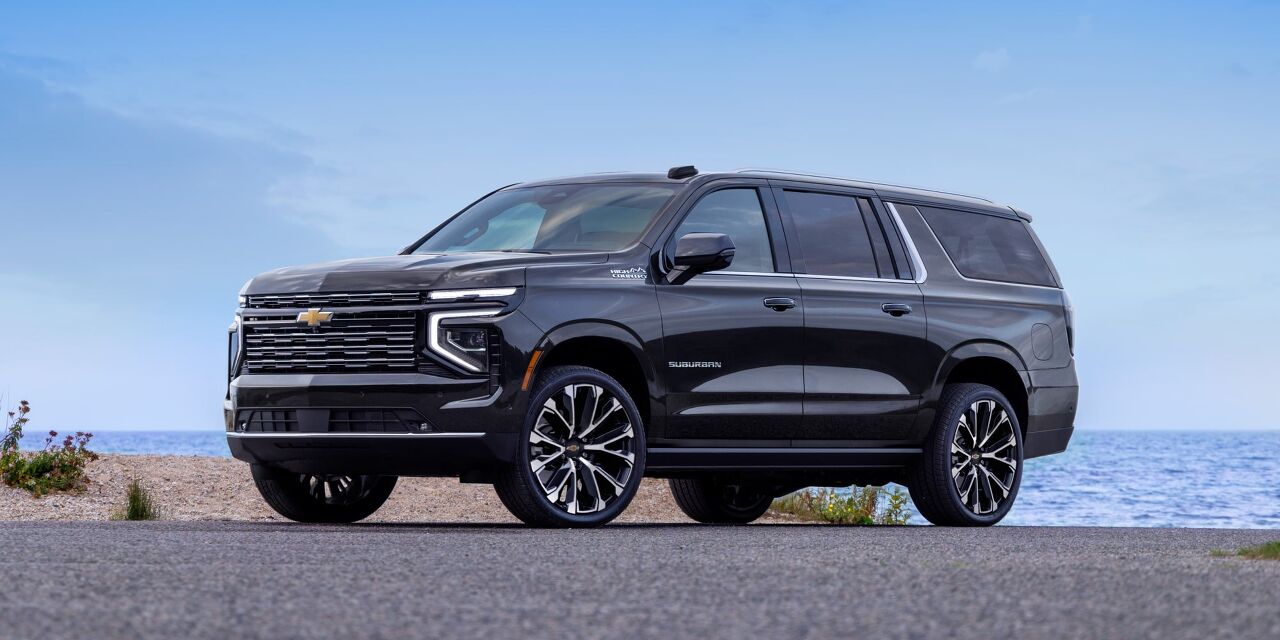
While this has helped maintain demand for full-sized pickups and SUVs, which boast some of the highest profit margins for manufacturers, there are likewise indications that they’re starting to lose ground to midsized alternatives. Models like the Chevrolet Suburban and Ford Expedition have clearly seen a marked decline in volume for 2026.
Japanese alternatives appear to be doing rather well by comparison — perhaps indicating that there’s more at play than MSRPs. Maybe former luxury buyers prefer those brands’ larger offerings.
Regardless, the general trend seems to be that a meaningful subset of car shoppers are moving downmarket to account for higher cost of living and untenable interest rates. Considering that the United States is now carrying an estimated $1.71 trillion in automotive debt, the overall shift in purchasing behavior makes a lot of sense.
But this has not prevented manufacturers from bumping up MSRPs on a majority of models this year. This has been especially true of popular vehicles the industry knows people want, leaving bargain hunters to pursue older designs and electrified models that don’t seem to be getting quite as much love inside of North America these days.
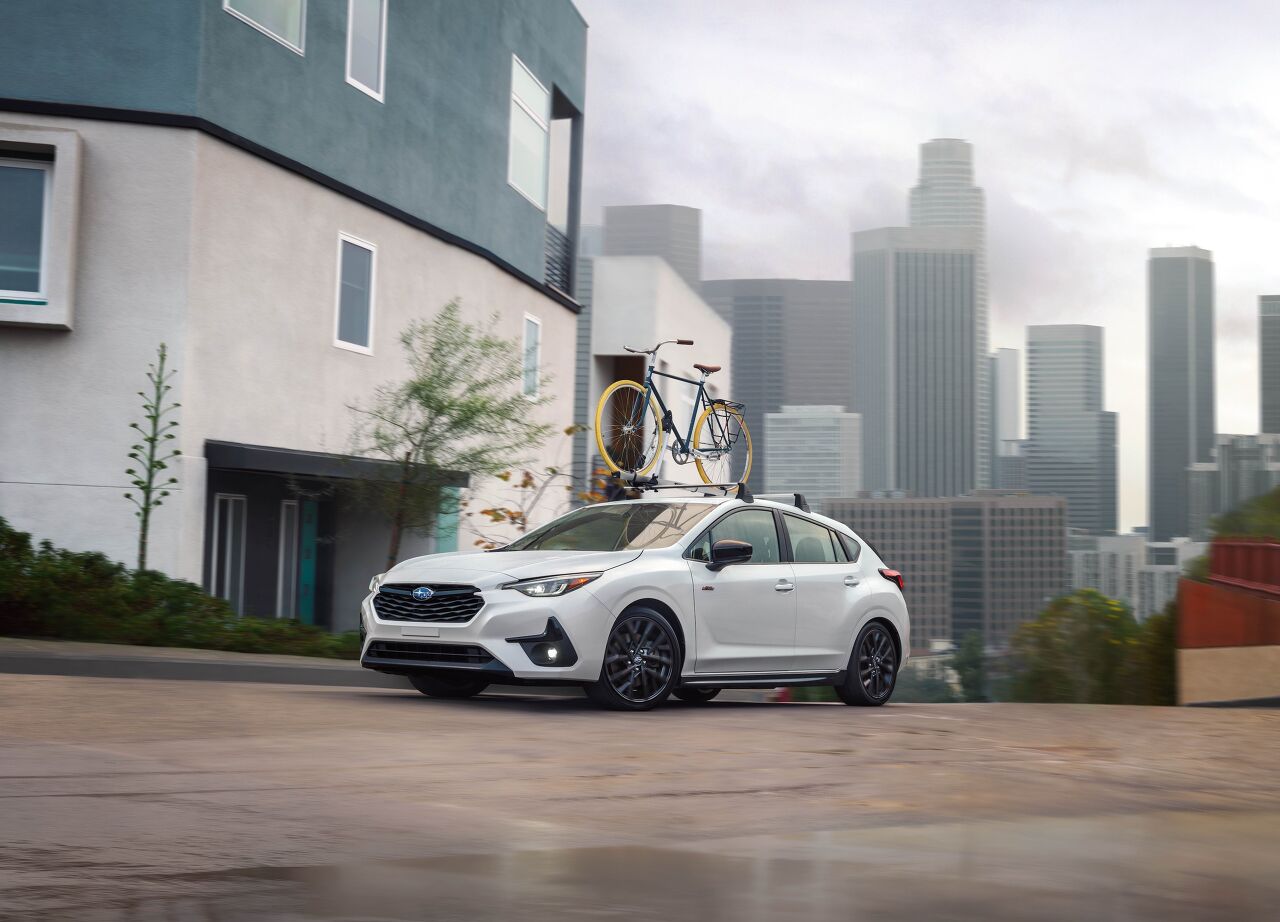
For example, the 2027 Subaru Impreza came down in price by roughly $2,000 for the base trim. The company also lowered MSRPs for the Forester and WRX this year, helping boost sales.
There a plenty of all-electric models that have undergone cost reductions, too. Rivian lopped a few grand off the base-trimmed R2 this year and even larger price reductions were applied to the Ford Mustang Mach-E, Audi Q4 e-tron, Kia EV6, and Chevrolet Silverado EV. While these discounts often apply exclusively to the base-trimmed models, we're seeing anywhere from $3,000 to $7,000 off the previous MSRPs. That's pretty juicy and still leaves room for some haggling.
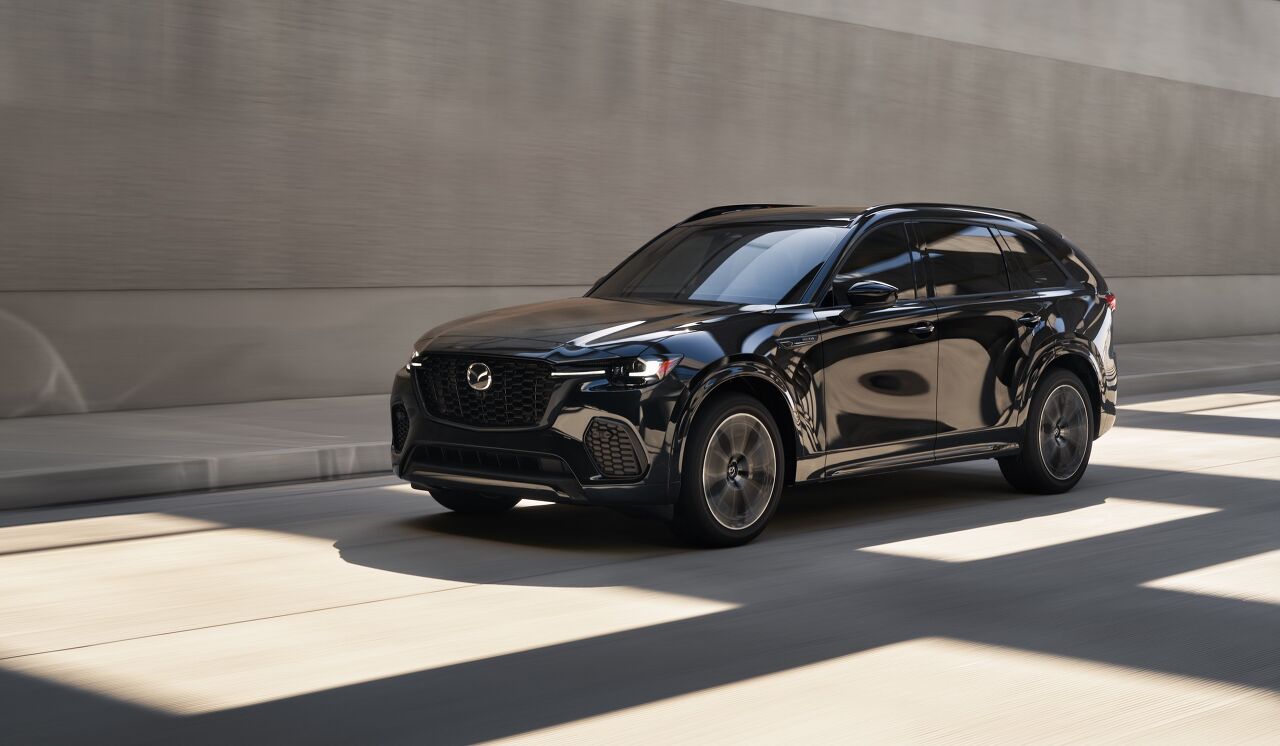
Mazda has likewise discounted some of its luxurious PHEV models by thousands of dollars due to their having a fairly rough product launch. Ditto for the nonhybrid and venerable Mazda3, which remains the brand’s most-reliable and affordable vehicle.
The Nissan Frontier has gotten quite a bit cheaper for 2027 and the same goes for the plug-in hybrid version of the Rogue. Incentives likewise appear to be coming back in style with Ford now willing to offer some additional cash back on the still popular F-150.
We saw the same happening last year, too. For example, Volkswagen reduced prices on the Jetta and launched new incentives for the Golf R in 2025. But there appear to be more models seeing discounts in 2026 than there were last year.
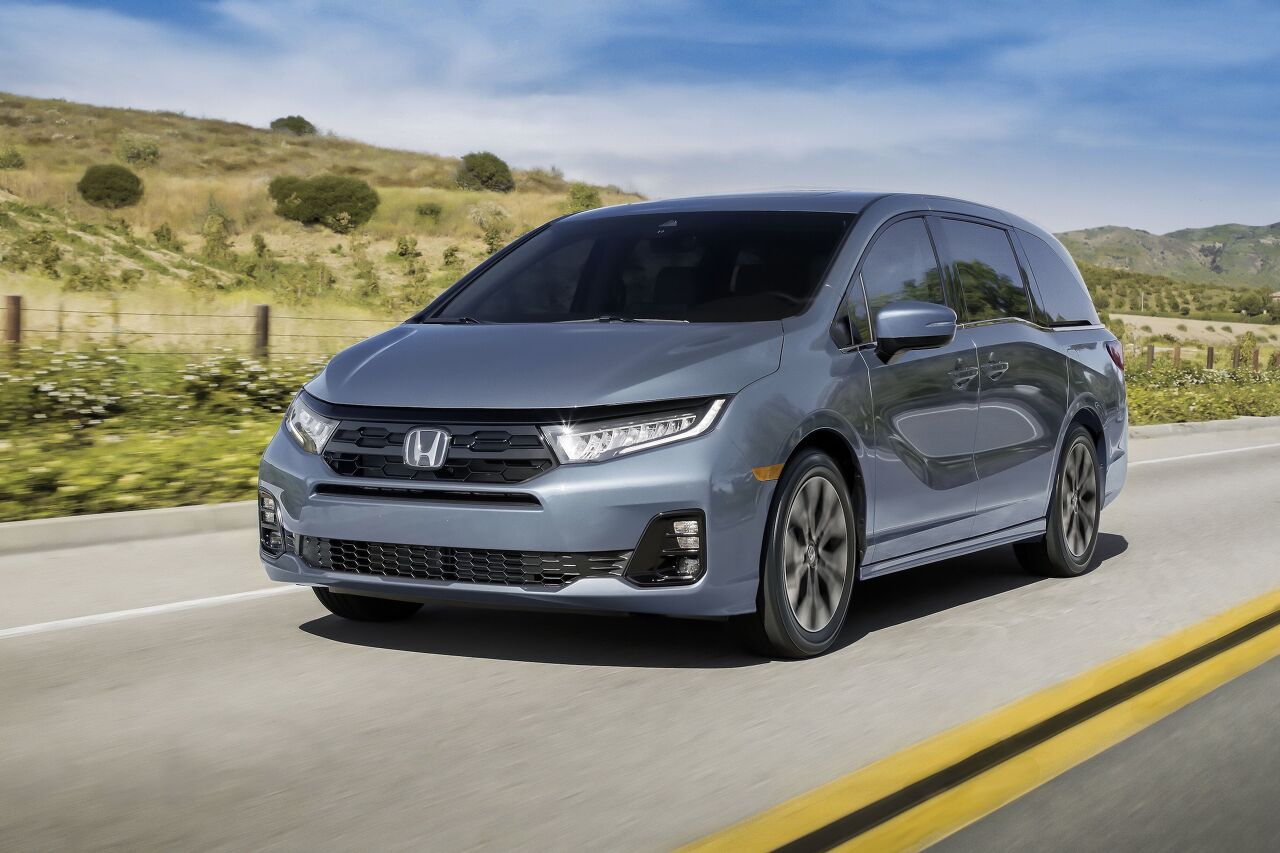
These kinds of vehicles may still be in the minority as overall affordability declines. But there are plenty of examples of something decent that’s now priced for less than it would have been 12 months ago. This applies to everything from the sporting and small Volkswagen GTI to larger family haulers like the Honda Odyssey.
From Cox Automotive:
The estimated average auto loan rate decreased by 1 basis point to 9.45 [percent], which was lower year over year by 9 basis points. The average vehicle price increased 0.9 [percent] for the month to $50,562, according to Kelley Blue Book’s September average transaction price report, and was just shy of the record of $50,614 set in December 2025. Income growth remained strong at 3.8 [percent] year over year, though it has cooled from the 4 [percent] seen in July. Incentives rose 2.6 [percent] for the month to roughly $3,359, which helped but was not enough to offset the price increase.
The typical payment increased 0.8 [percent] to $776, which was up 1.3 [percent] year over year and the highest monthly payment since December 2023. The number of median weeks of income needed to purchase the average new vehicle increased to 35.72 weeks in September from 35.5 weeks in August, the least affordable reading since January. The average monthly payment peaked at $795 in December 2022.
New-vehicle affordability was better than a year ago in September, even though prices were 0.7 [percent] higher, as lower interest rates and higher incomes improved affordability. Incentives were 8.8 [percent] lower than a year ago. New-vehicle affordability improved by 2.5 [percent] compared to a year ago, when it took 36.5 weeks of median income to purchase the average new vehicle.
This kind of data is always relative.
If we examine the last several years of pricing trends, new vehicle affordability remained relatively flat from 2012 until 2020. Cox and Moody’s data even shows a slight bias for automobiles to become more affordable over the same timeframe — with the average weeks of income required to purchase the typical light vehicle going from 36 weeks to a more reasonable 34 weeks.

This figure jumps to more than 42 weeks by 2022, with the curve starting a couple of years earlier due to surging unemployment and ballooning MSRPs. Things begin to settle down by 2025, albeit still leaving us with cars that remain broadly less affordable than they would have been prior to 2020.
Used vehicle prices follow along a similar trajectory. Secondhand values experience slow and stable growth between 2015 and 2020. Then there’s a sudden dip in pricing (due to absent demand at the start of the pandemic) before valuations effectively double themselves during 2021.
While prices do begin to stabilize by 2024, used vehicle valuations have remained exceptionally high when compared to the period before 2020. This has been attributed to a combination of drivers simply holding onto vehicles longer, more people being forced into the used market due to the elevated MSRPs of brand-new automobiles, and the industry having moved away from budget focused models over the last 10 years.
Unfortunately, there are not enough second-hand models to keep prices low and fewer economy boxes at the bottom of the market. Older cars are likewise viewed by some as superior to brand-new models (e.g. lower repair costs, less invasive technology) and this has also encouraged higher pricing.
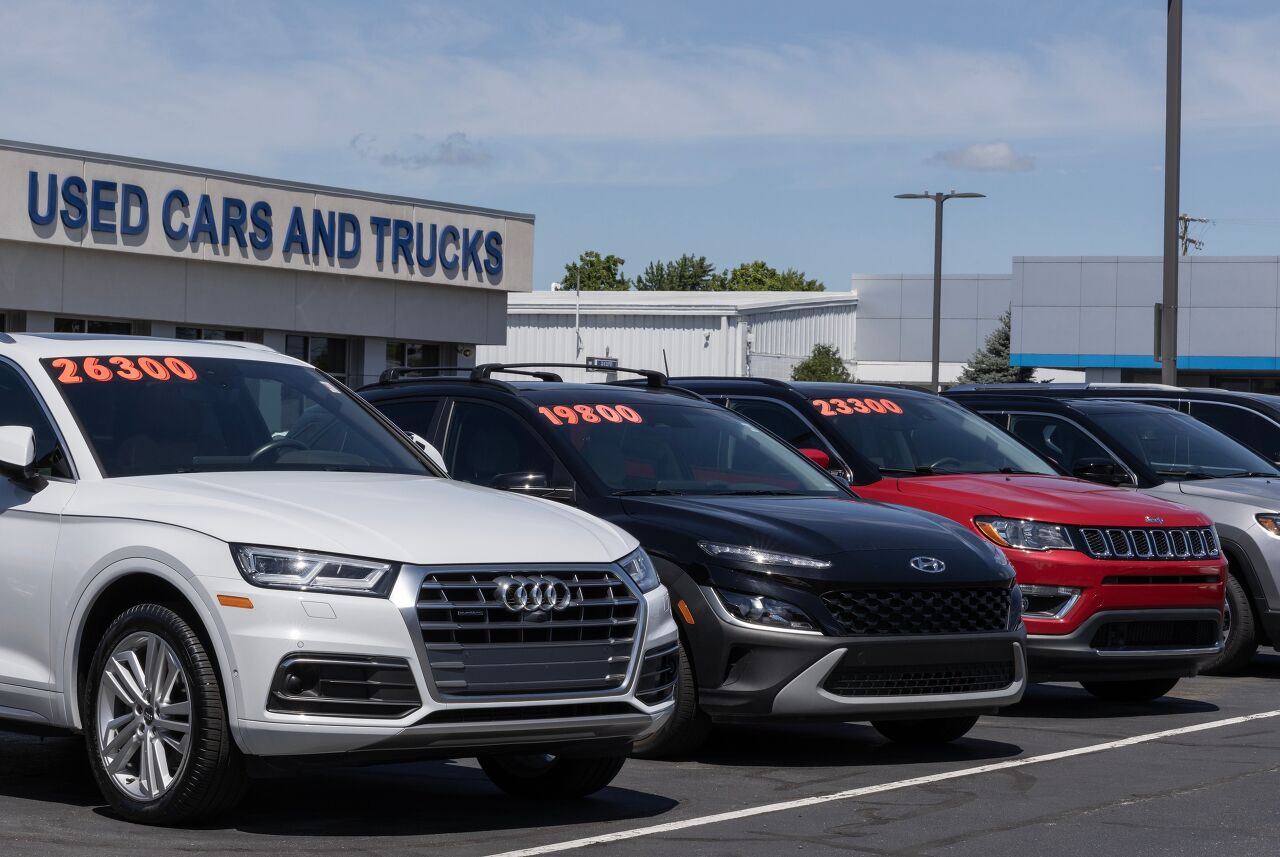
The silver lining is that it looks like the broader trend is for things to have settled down slightly. But it’s unlikely that we’ll see demand for used cars to suddenly plummet until automakers start offering budget-focused models. While your author is already under the impression that is an inevitability, we’re probably still a few years away from seeing any tangible changes taking place within the industry.
Automakers don’t want to sell you a cheaper car unless they absolutely have to and they’ll need some time to bring back affordable models that had been intentionally culled from our market to maximize profitability. Supply chains will need to shift and factories will need to be retooled.
We also don’t know what’s around the corner in terms of tariffs, regulations or regional conflicts. Despite manufacturers certainly having earned their fair share of the blame, they’re not wholly responsible for every single economic hurdle that’s been keeping vehicle prices so high. Wars have a tendency to raise material and shipping costs. Tariffs do the same without needing to mobilize an army, under the auspices of trying to encourage localized manufacturing. But the outcome is functionally the same, mounting costs end up being forwarded to the end consumer — you.
Fortunately, dealerships seem more willing to play ball. Haggling seems to be coming back into fashion for the first time in years and incentives are occurring at higher rates. However, the sales department will continue to do what they can to push you into financing something because that remains the most lucrative play. Make sure that doesn't turn your sweet deal sour.
While the situation on the used market appears a little more grim, they're still technically less money than a brand-new car. Private-party sales also tend to be significantly more affordable than dealer-certified options. But purchasing secondhand is definitely less appealing than it was a few years ago.
[Images: Dolores M. Harvey/Shutterstock; General Motors; Subaru; Mazda; Honda; Ray Geiger/Shutterstock; Jonathan Weiss/Shutterstock; woodsnorthphoto/Shutterstock]
Become a TTAC insider. Get the latest news, features, TTAC takes, and everything else that gets to the truth about cars first by subscribing to our newsletter
from TheTruthAboutCars https://ift.tt/fbsBo05
via IFTTT
No comments