The Ford Escape PHEV: America's Slowest-Selling Used Car
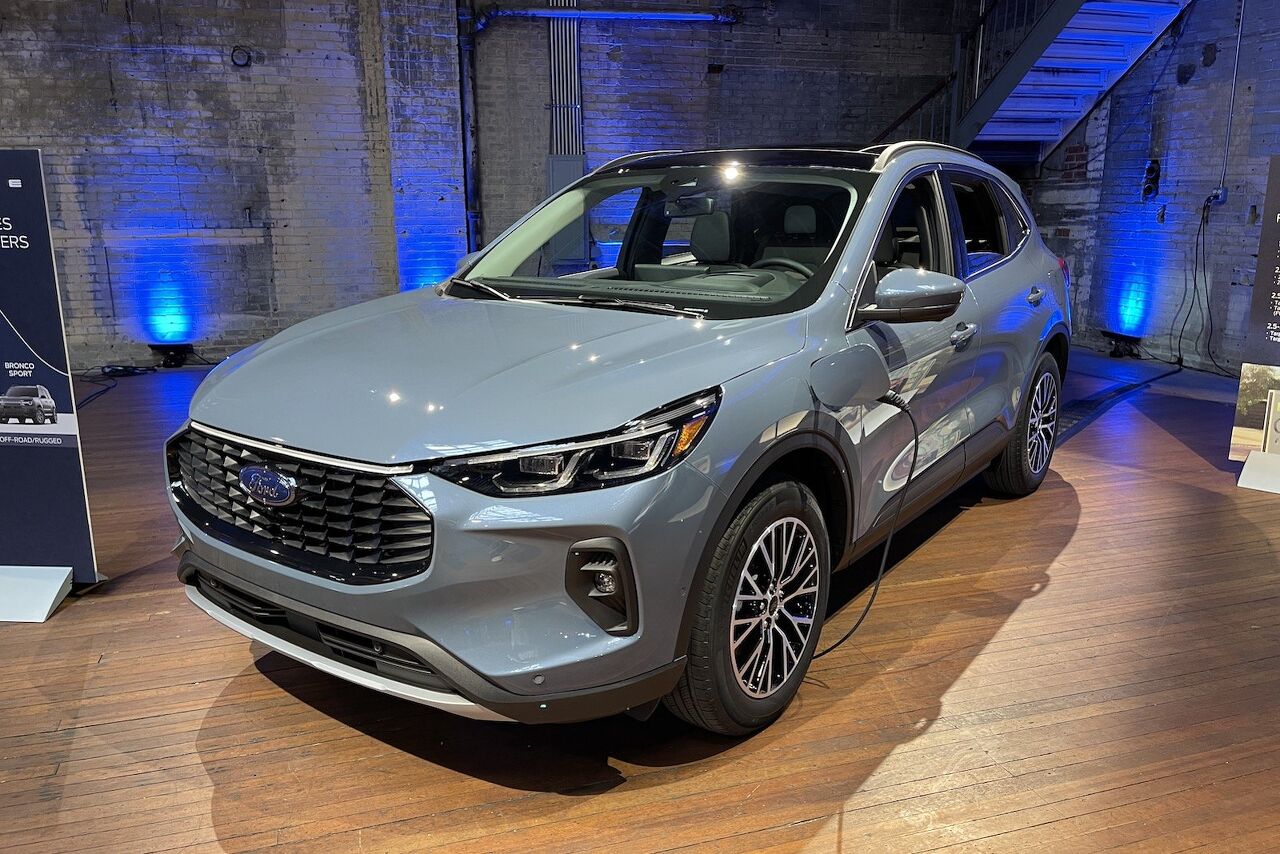
Hybrids are having a moment on the used market, and the Ford Escape plug-in hybrid is sitting the whole thing out. In an analysis of over 1.5 million used vehicles aged one to five years, the shopping site iSeeCars found that electrified cars are moving quickly while gas cars languish. The Escape PHEV did the opposite. It ranked first on the firm's roster of the slowest-moving used cars in the country, the single hardest-to-move used vehicle out there.
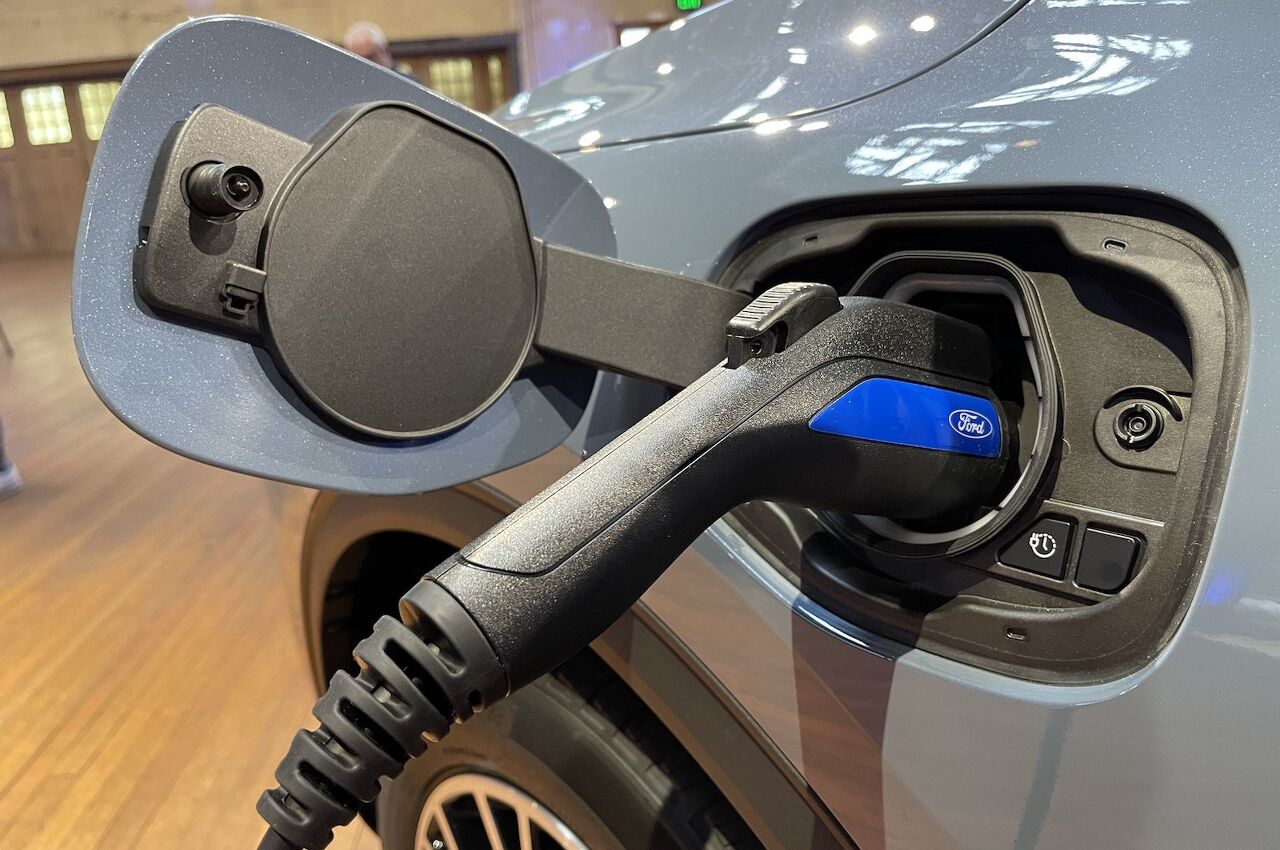
How slow is slow? The Escape PHEV sits on the used market for 154.5 days. The average used car moves in 53.4 days, which means the Escape PHEV takes 2.9 times as long to find a buyer. That is not a rounding error. That is a car dealers would rather not stock.
The broader story favors electrification. Used EVs posted the biggest price increases of any drivetrain, with the average asking price climbing 9.8 percent even as the time to sell dropped 10.1 percent. They now move faster than both gas and hybrid models. Hybrids, meanwhile, have logged moderate gains in both price and selling speed, while gas cars have watched their selling times stretch out despite relatively stable prices.
So the tailwind is real, and the Escape PHEV is flying straight into it. Karl Brauer, an executive analyst at iSeeCars, framed the split bluntly. He said that, on average, electrified cars are outselling gas vehicles, but that some electrified models linger far longer on the lot than a typical used car does. The well-built ones are cashing in on high gas prices. The rest are not. As Brauer put it, even high fuel prices cannot save an unpopular electric car.
The Escape PHEV was not alone on the slowest-selling list. Several other hybrids and EVs showed up there too, which tells you the electrified surge is uneven. Buyers are rewarding specific models, not drivetrains. The Escape PHEV simply landed on the wrong side of that sorting.
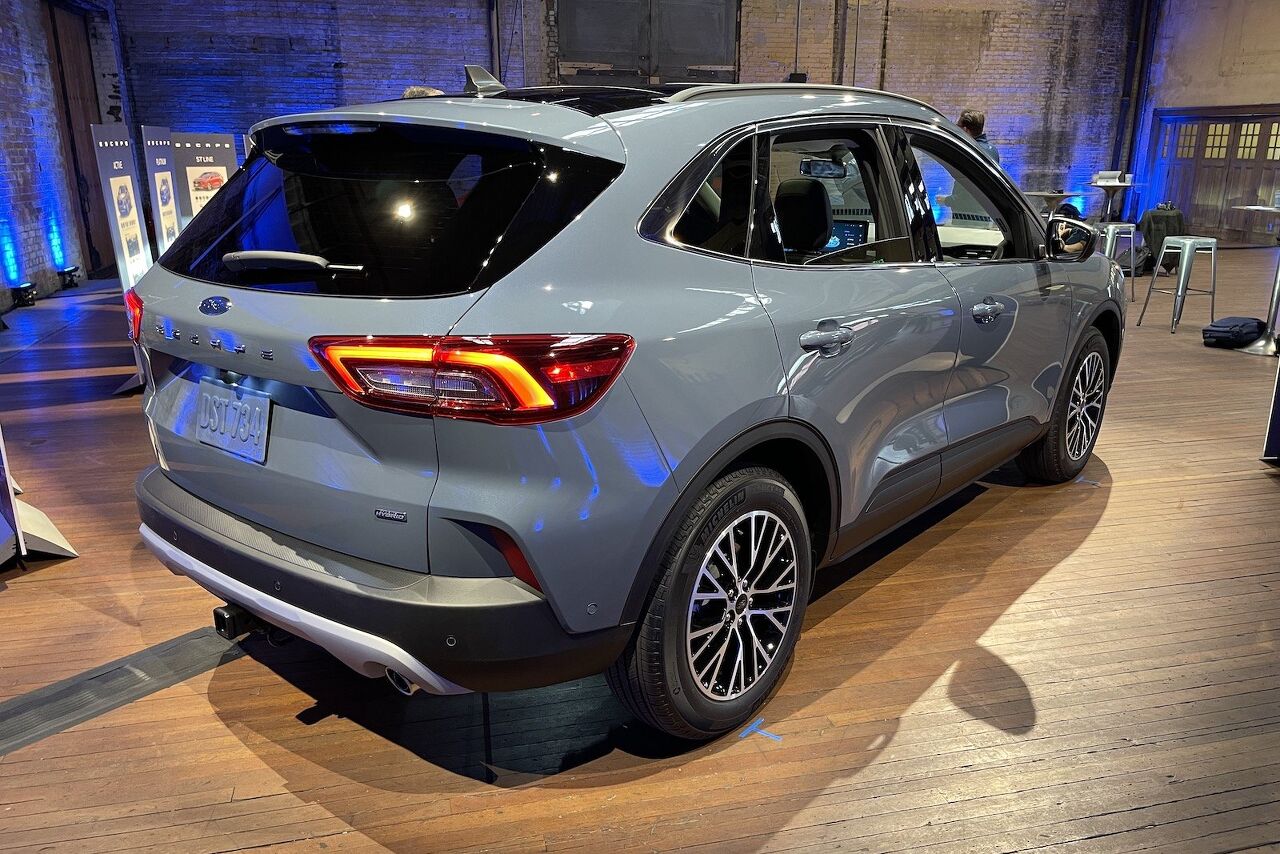
A used car this sticky usually has a reason, and the Escape PHEV's reason is on file with the federal government. Across seven model years, there are 10 recall entries in the NHTSA database, plus 129 owner complaints. That is a thick folder for a compact SUV.
The complaints cluster where you would least want them on a plug-in hybrid. The electrical system is the most-complained-about component with 51 complaints, followed closely by the engine at 46. After that, the numbers fall off: 16 for unknown or other components, 15 for the power train, 11 for the fuel and propulsion system, 7 for the structure, 5 for forward collision avoidance, and 4 for the service brakes. Electrical and engine trouble on an electrified drivetrain is exactly the kind of thing that makes a shopper pause.
The problems are not spread evenly across the years, either. The 2022 model year alone carries 80 owner complaints and 2 recalls, making it the clear outlier. By contrast, the 2023 PHEV has 13 complaints and 2 recalls, the 2024 has 8 complaints and 2 recalls, the 2025 has 4 complaints and 1 recall, and the 2026 shows just 1 complaint and 1 recall. The early cars did the heavy lifting on complaints. The 2021 PHEV logged 22 complaints against a single recall, and even the low-volume 2020 has 1 recall and 1 complaint.
The one thing the Escape PHEV does not lack is a crash score. Every model year with a rating on file, 2022, 2023, 2024, and 2025, earned a 5.0-star overall NCAP rating. The 2020, 2021, and 2026 cars have no overall NCAP rating on file. Safety is not the problem here. Buyer confidence is.
The PHEV's troubles sit inside a larger pattern for the fourth-generation Escape, which covers model years 2020 through 2024 under the CX482 code. It is a comfortable, efficient compact SUV that happens to carry among the worst recall records in its segment. That is a hard sentence to put on a window sticker.
The generation offered a wide spread of powertrains: a 181-hp 1.5L EcoBoost three-cylinder, a 250-hp 2.0L EcoBoost, a 200-hp 2.5L hybrid, and the 221-hp 2.5L PHEV. Each electrified version brought its own baggage. The 1.5L carries a cracked-fuel-injector fire risk tied to a recall that runs across nearly the whole production span. Both the 2.5L hybrid and the plug-in version, in turn, come with engine-failure and battery fire-risk recalls of their own. The early cars in particular stack up powertrain and electronics complaints, which lines up with what the NHTSA tally shows for 2020 through 2022.
None of this makes the Escape a lost cause. A fourth-gen Escape with every recall closed out is considered a solid family hauler. The catch is the word "closed." Open recalls are what turn a good compact SUV into a 154-day lot ornament.
If you still want one, the buying math is straightforward. The 2023 and 2024 model years are the best of the generation, because the facelift sidesteps most of the first-year problems. The 2020 model year is the one to avoid, since it was the first year of the generation and carries the most complaints and recalls. A 2020 example with unresolved recalls and a patchy dealer history is a hard pass.
By engine, the 2.0L EcoBoost is the cleanest choice, and the hybrid is the value play once you have confirmed its recalls, while the 1.5L cars from 2020 through 2022 should be avoided unless the fuel-injector recall is confirmed closed against the VIN. For the PHEV specifically, the rule is strict: pass on it no matter the model year unless the paperwork shows every high-voltage battery recall closed.
That verification step is the whole ballgame. Before you buy, check the VIN against the NHTSA recall lookup at nhtsa.gov/recalls. For a 1.5L car, confirm the fuel-injector recall is closed. For a hybrid, confirm the 2.5L engine-failure recall inspection is done. For a PHEV, confirm every high-voltage battery recall is completed. A clean recall report is what separates a bargain from the reason this car is the slowest-selling used vehicle in America.
The nameplate's future is in flux. Escape production ended late last year, and Ford expects the model to return at some point, possibly riding on the company's Universal Electric Vehicle platform as the second model on that architecture. Whether that revival fixes the trust problem is an open question, but it does mean today's used cars are the last of an era.
The irony is that earlier versions of the Escape still sell well used. It is this generation, and the PHEV in particular, that buyers are steering around. The lesson is the one Brauer kept circling: electrification sells, but only when the car behind it earns the buyer's confidence. The Escape PHEV has the drivetrain the market wants and a recall record the market cannot ignore.
Your move as a shopper is simple. Decide which engine fits your use, target a 2023 or 2024 car, and treat the NHTSA recall lookup as a hard gate rather than a formality. Do that, and the slowest-selling used car in America can become a comfortable, efficient compact SUV at a price nobody else wants to pay. Skip it, and you inherit the exact problem that kept the car on the lot for 154 days.
[Images: Ford]
Become a TTAC insider. Get the latest news, features, TTAC takes, and everything else that gets to the truth about cars first by subscribing to our newsletter.
from TheTruthAboutCars https://ift.tt/1AEUi08
via IFTTT
No comments